How to Use a D2C Ecommerce Agency to Build a Data-Driven Growth Strategy
Checking out the Prospective of D2C Ecommerce: A Comprehensive Guide for Companies
The D2C ecommerce version provides a significant change in how brand names involve with customers. It makes it possible for business to bypass traditional retail channels, fostering much deeper connections and possibly boosted earnings margins. This approach is not without its complexities. Comprehending the nuances of D2C ecommerce is crucial for brand names aiming to grow. What methods can they adopt to browse this progressing landscape effectively? The responses might redefine their business methods.
Understanding the D2C Ecommerce Model

Secret Conveniences of D2C Ecommerce for Brands
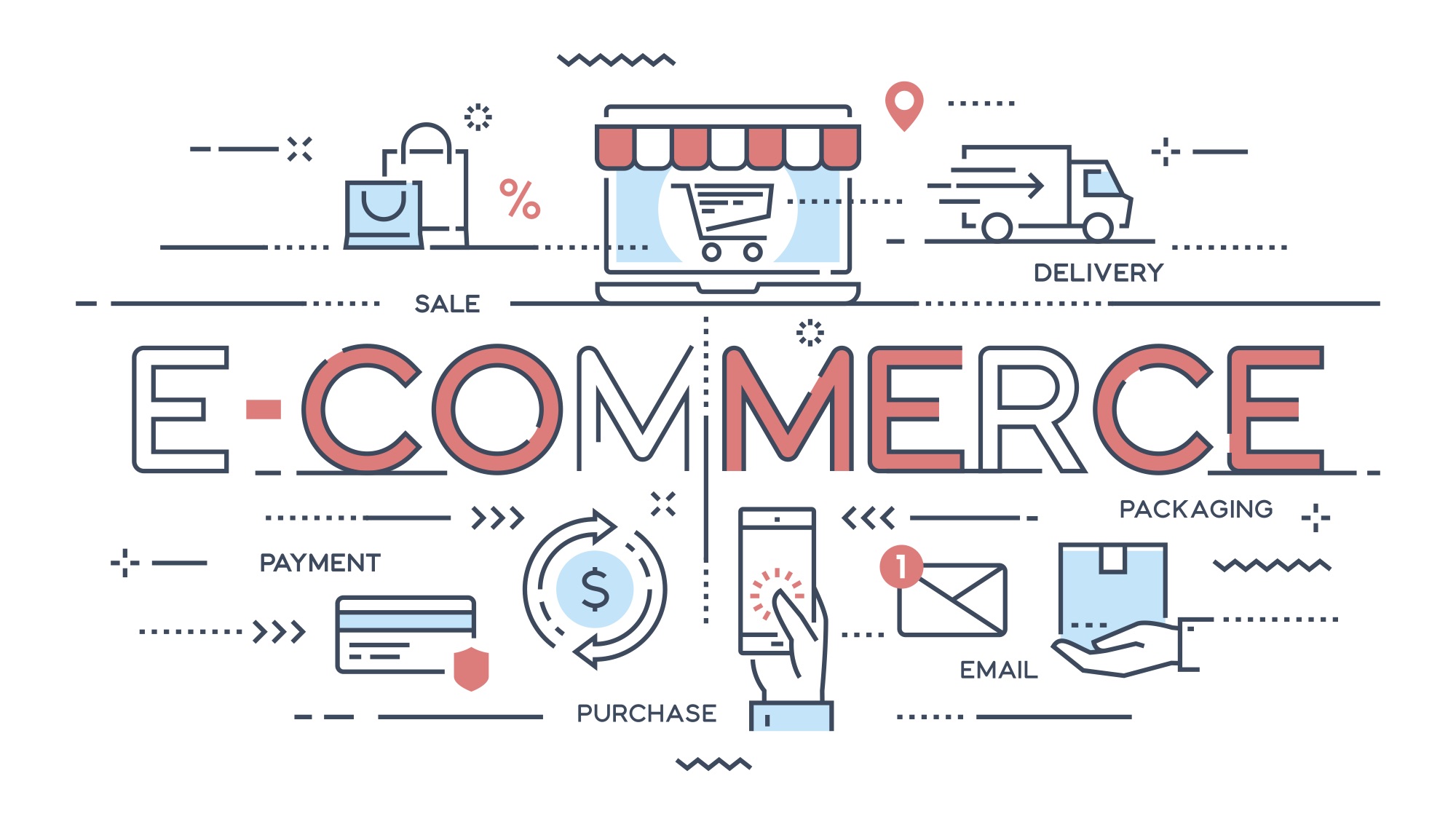
The D2C ecommerce design supplies brand names substantial advantages, especially pertaining to increased revenue margins. By removing middlemans, firms can keep a larger share of sales earnings. Furthermore, this straight connection with clients fosters boosted brand commitment, motivating repeat acquisitions and long-term interaction.
Increased Earnings Margins
Improved Brand Name Commitment
Structure on the financial advantages of D2C ecommerce, boosted brand name loyalty becomes one more important advantage for companies engaging straight with customers. By establishing a direct connection, brand names can foster deeper partnerships with their clients, obtaining insights into habits and preferences. This direct interaction enables for even more tailored advertising and marketing techniques, which resonate strongly with customers. Additionally, brand names have the opportunity to regulate their messaging and customer experience, reinforcing brand values and constructing depend on. When customers feel an individual link, they are much more most likely to return, support for the brand, and take part in area involvement. Eventually, enhanced brand commitment not just drives repeat acquisitions but likewise grows a passionate customer base, further solidifying a brand name's setting in the marketplace.
Obstacles Dealt With by D2C Brands
D2C brand names experience a number of substantial challenges that can influence their success. Supply monitoring concerns can cause equip lacks or excess, complicating procedures and customer fulfillment. Furthermore, marketing budget plan restrictions frequently limit the capacity to successfully reach and involve target audiences.
Supply Monitoring Issues
Effective supply management offers an awesome obstacle for many brands running in the direct-to-consumer (D2C) room. These brand names often grapple with varying demand, which can result in overstock or stockouts, inevitably influencing client contentment and income. In addition, the lack of advanced supply radar can cause disparities in between real supply degrees and reported information, making complex order satisfaction. The diverse variety of items D2C brand names normally offer also makes complex inventory administration, as variations in sizes, colors, and styles call for more thorough oversight. Additionally, many D2C organizations might have problem with limited warehousing abilities, causing inefficient usage of room and sources. Reliable supply management stays a crucial hurdle for D2C brands aiming for sustainable development and functional performance.
Advertising Budget Constraints
Navigating advertising spending plan restraints is a substantial obstacle for many direct-to-consumer (D2C) brand names. Restricted funds frequently restrict these business' capacity to invest in all-encompassing advertising methods, causing reduced exposure in an open market. D2C brand names regularly grapple with the demand to optimize return on investment (ROI) while targeting details audiences successfully. This difficulty is exacerbated by rising costs in electronic advertising and marketing and the requirement to allocate funds throughout several channels, including social media sites, search engines, and e-mail advertising. Lots of D2C brand names should introduce cost-efficient advertising solutions, leveraging organic development approaches and influencer partnerships. Inevitably, efficiently navigating these spending plan restraints is necessary for maintaining development and achieving long-lasting success in the advancing ecommerce landscape.
Strategies for Building an Effective D2C Ecommerce Service
As customers increasingly look for straight connections with brand names, establishing a successful D2C ecommerce service requires a strategic method that prioritizes client involvement and trust fund. One efficient strategy is to create compelling brand narratives that reverberate with target audiences, promoting psychological connections. Utilizing social media systems can enhance visibility and help with two-way interaction, enabling brands to involve straight with customers.Moreover, personalized experiences with customized advertising initiatives can substantially boost consumer retention and loyalty. Applying commitment programs and using exclusive bargains can better incentivize repeat purchases.Streamlining the purchasing procedure is crucial, making sure a straightforward user interface that enhances the purchasing experience. In addition, transparent interaction relating to shipping and returns builds trust and urges consumer confidence.Finally, actively seeking client responses and reacting to it shows a dedication to renovation and consumer contentment, crucial aspects in the competitive D2C landscape.
Leveraging Technology for Improved Consumer Experience
In today's affordable D2C ecommerce landscape, technology plays a pivotal duty fit customer experiences. Companies progressively make use of advanced devices such as artificial intelligence, chatbots, and personalized formulas to improve interactions and enhance the purchasing process. By integrating these modern technologies, brands can offer customized product referrals based on specific choices and shopping actions, cultivating a much more engaging experience.Moreover, receptive website designs and mobile applications ensure that consumers can access solutions flawlessly across various tools. Improved payment services, including one-click check outs and electronic wallets, even more streamline transactions, making it less complicated for customers to make purchases.Data analytics also enables organizations to gather understandings into customer behavior, permitting continual improvement of services and offerings. In general, leveraging modern technology not only enhances client satisfaction but additionally cultivates loyalty, inevitably driving long-term success in the D2C ecommerce field.
Marketing Strategies to Drive D2C Sales
How can brands successfully record the focus of customers in a saturated market? To thrive in the direct-to-consumer (D2C) landscape, brand names should use targeted advertising and marketing techniques. Making use of social media sites platforms, brand names can engage customers via interactive content, influencer partnerships, and user-generated messages. Individualized e-mail projects can likewise promote a sense of connection, providing tailored promotions based on consumer actions and preferences.Moreover, narration plays an important function in distinguishing a brand's story, making it relatable and remarkable. Brand names ought to buy seo (SEARCH ENGINE OPTIMIZATION) to enhance presence, ensuring their items are easily visible online. Furthermore, leveraging data analytics allows organizations to improve their advertising strategies and recognize customer patterns better. Eventually, a multi-channel approach that incorporates creative thinking with data-driven insights can significantly boost D2C sales, enabling brand names to attract attention in a congested industry.
Future Patterns in D2C Ecommerce
With the rapid advancement of modern technology and consumer choices, the future of D2C ecommerce is poised for considerable change. Arising patterns show a change towards hyper-personalization, where brands leverage data analytics to tailor offerings to private consumer demands. This modification improves consumer experiences, fostering loyalty and engagement.Moreover, sustainability is becoming an important aspect, with consumers increasingly favoring brands that focus on environmentally friendly methods - D2C Ecommerce Agency. Firms are anticipated to adopt transparent supply chains and sustainable products to meet this demand.The integration of artificial intelligence and augmented reality will furthermore reinvent the buying experience, permitting consumers to envision products in their environments prior to acquisition. In enhancement, social commerce is expected to grow, as systems like Instagram and TikTok promote seamless shopping experiences straight within social media.These trends collectively indicate a vibrant future for D2C ecommerce, emphasizing customer-centric strategies and ingenious technologies that redefine customer interactions
Often Asked Inquiries
What Industries Benefit Many From D2C Ecommerce?
The existing concern highlights sectors that thrive through direct-to-consumer (D2C) ecommerce. Incredibly, style, appeal, electronic devices, and food sectors leverage D2C models to boost brand loyalty, enhance customer partnerships, and enhance earnings margins properly.
How Do Delivering Expenses Impact D2C Rates Approaches?
Shipping costs greatly affect D2C prices techniques. Businesses must stabilize these expenses with affordable prices, taking into consideration customer expectations and earnings margins. Effective management of delivery can boost client contentment and drive sales in direct-to-consumer models.
What Repayment Alternatives Should D2C Businesses Deal?
D2C companies must supply diverse settlement alternatives, including credit/debit cards, electronic wallets, and acquire now, pay later services. This selection enhances customer ease, boosts conversion prices, and deals with various consumer choices in the on-line shopping landscape.
How Can D2C Brands Manage Consumer Returns Properly?
D2C brand names can take care of client returns properly by carrying out easy to use return plans, supplying prepaid delivery tags, and making certain prompt refunds (D2C Ecommerce Agency). Clear interaction and structured procedures improve customer fulfillment and urge repeat organization
What Lawful Factors To Consider Exist for D2C Ecommerce Operations?
Lawful factors to consider for D2C ecommerce procedures consist of conformity with consumer defense regulations, information personal privacy guidelines, copyright legal rights, and tax requirements. Brand names have to navigate these complexities to avoid lawful challenges and guarantee smooth operations. By eliminating intermediaries, D2C brands can provide affordable pricing and foster an extra intimate partnership with their customers.The D2C model is characterized by its dependence on electronic platforms, enabling brands to use social media, online marketplaces, and their own sites to engage with consumers directly. D2C ecommerce assists in the collection of useful customer information, making it possible for brands to customize their offerings and advertising and marketing approaches more info properly, inevitably driving sales and enhancing margins. Additionally, brands have the chance to manage their messaging and consumer experience, reinforcing brand name worths and constructing trust. As consumers progressively look for direct connections with brand names, establishing a successful D2C ecommerce organization requires a critical approach that focuses on client interaction and count on. D2C brand names can handle client returns efficiently by executing user-friendly return plans, offering pre-paid shipping tags, and making sure punctual reimbursements.